School of Architecture
Design Computation
Program Minor
Design Computation transforms students into technological innovators who affirm the power of computation to enhance design by engaging in interdisciplinary collaboration amongst professional domains of expertise. The graduates of the program create software, interactive environments, and computational tools that reimagine the design process through cyber-physical computing. This STEM minor trains the next level of technological innovators in the built environment.
Design Computation is a STEM program. Learn more about STEM at Woodbury.
 Design Computation was brought to Woodbury University by a $3 Million US Department of Education Title V Grant.
The Design Computation program is not currently accepting applications for Spring 2026.
Apply Request Information Take a TourDesign Computation Curriculum
The Design Computation curriculum is structured around four main categories of classes: History and Theory, Technology and Making, Design Computation Studios, and Professional Practice. Each one has been designed to work with a specific technology and high-demand programming skills applied to a creative environment.
History and Theory
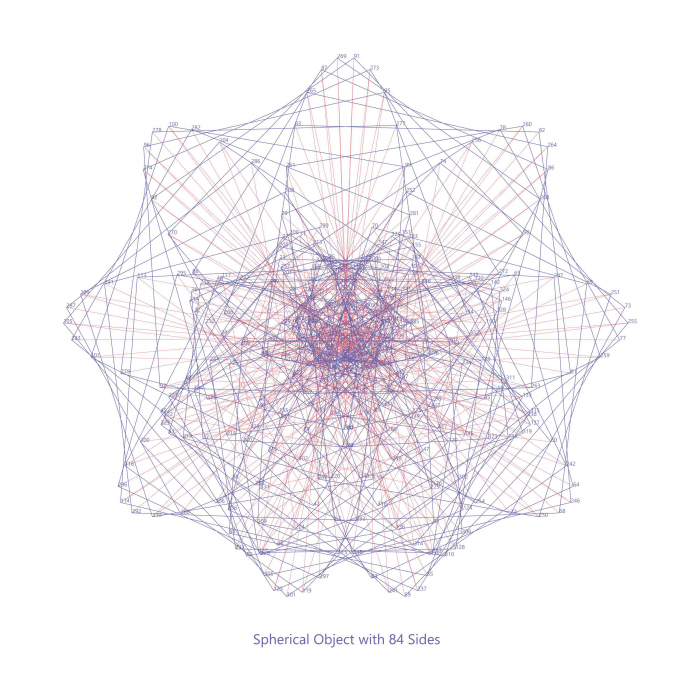
Learn to describe the work of others in the field of design computation, position their work within it, and consider the broader consequences of the work within culture and society, particularly as it pertains to questions of economic and social equity and environmental issues.
Technology and Making
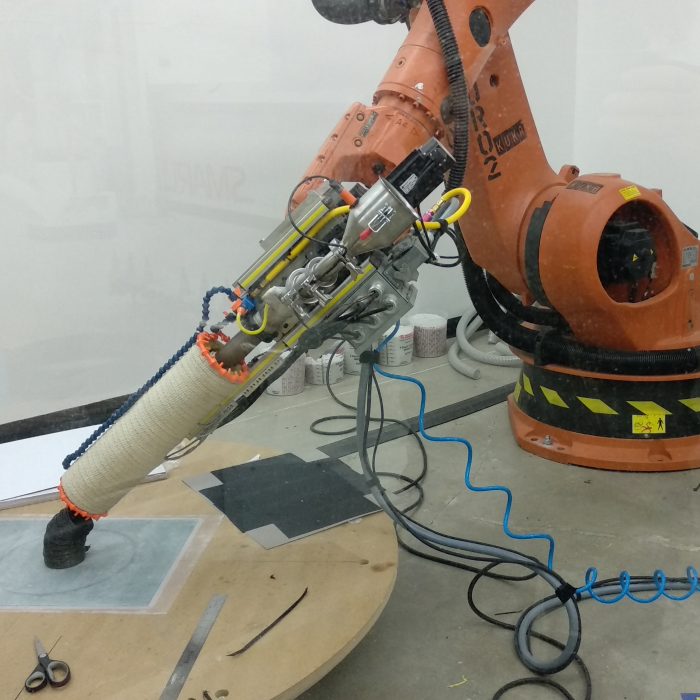
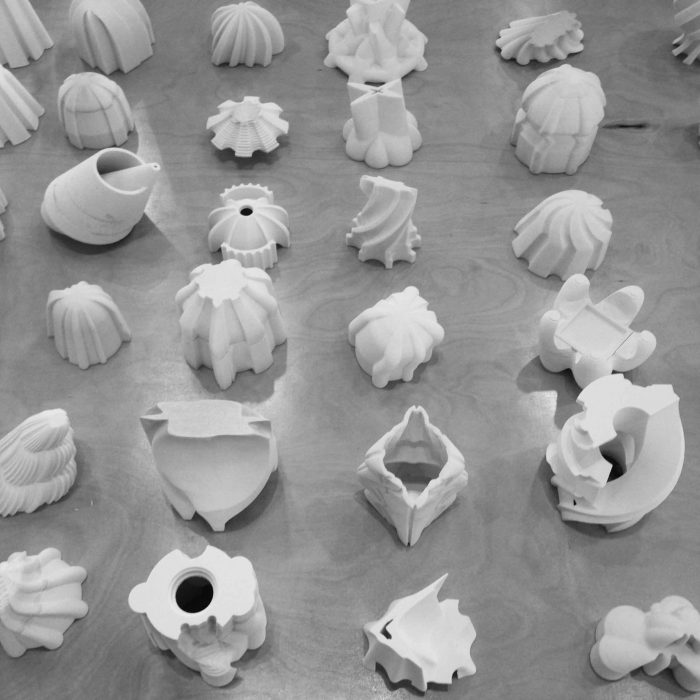
Learn to create computational strategies using appropriate and up-to-date available technical tools, fabrication methods, and programming languages to address design problems
Design Computation
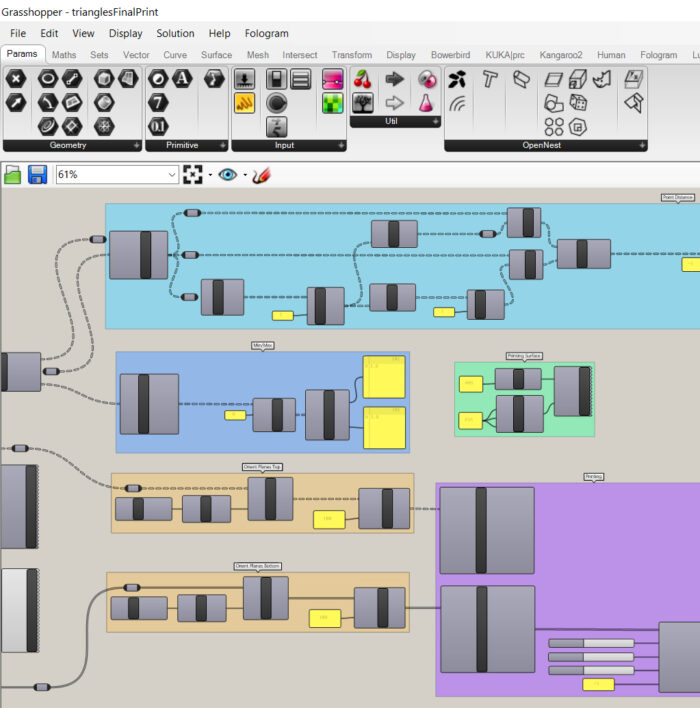
Learn to compose interactive media, physical prototypes, objects, kinetic systems, building components, and software that respond to a specific design problem.
Professional Practice
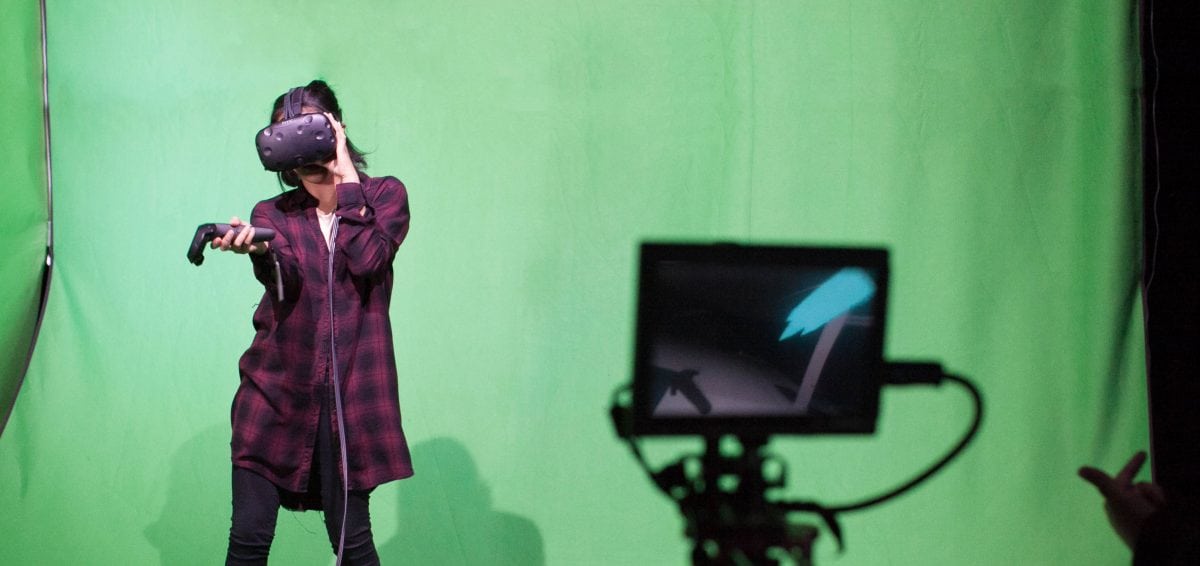
Learn to discuss design strategies in a manner that translates complex technical issues into language understandable by multiple audiences including designers, engineers, investors, customers, and the general public.
Career Opportunities
The Design Computation degree opens a wide range of potential careers. Some of the more common paths include:
- Computational Designer
- Computational Design Architect
- Design Computing Specialist
- Design Analyst
- Design Technology Manager
- Software Solutions Developer
- Smart Cities Consultant
- Urban Data Analyst
- Digital Fabrication & Smart Manufacturing Specialist
Applied Computer Science Lecture Series
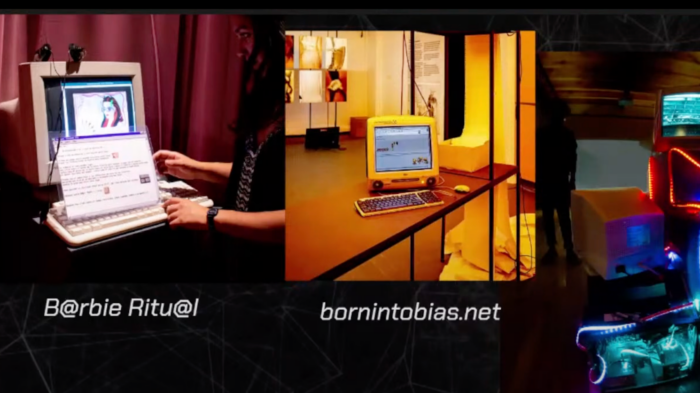
The Applied CS Lecture Series features practitioners from a wide range of creative and scientific fields, all of whom incorporate computational design and applied computer science and technology at the core of their professional inquiry.


Faculty
Our faculty are artists, designers, computer scientists, and policy makers practicing in Los Angeles, San Diego, and Tijuana. This internationally recognized and award-winning group works closely with students to teach the skills required to push the limits of practice.
STEM Designation
The Design Computation program has been designated as a STEM degree. All international students who receive Design Computation degree can now apply for a 24-month extension of their post-completion OPT (Optional Practice Training), and they can work in the USA for 36 months or three years.
Accreditation
Woodbury University is accredited by WSCUC: Senior College and University Commission.